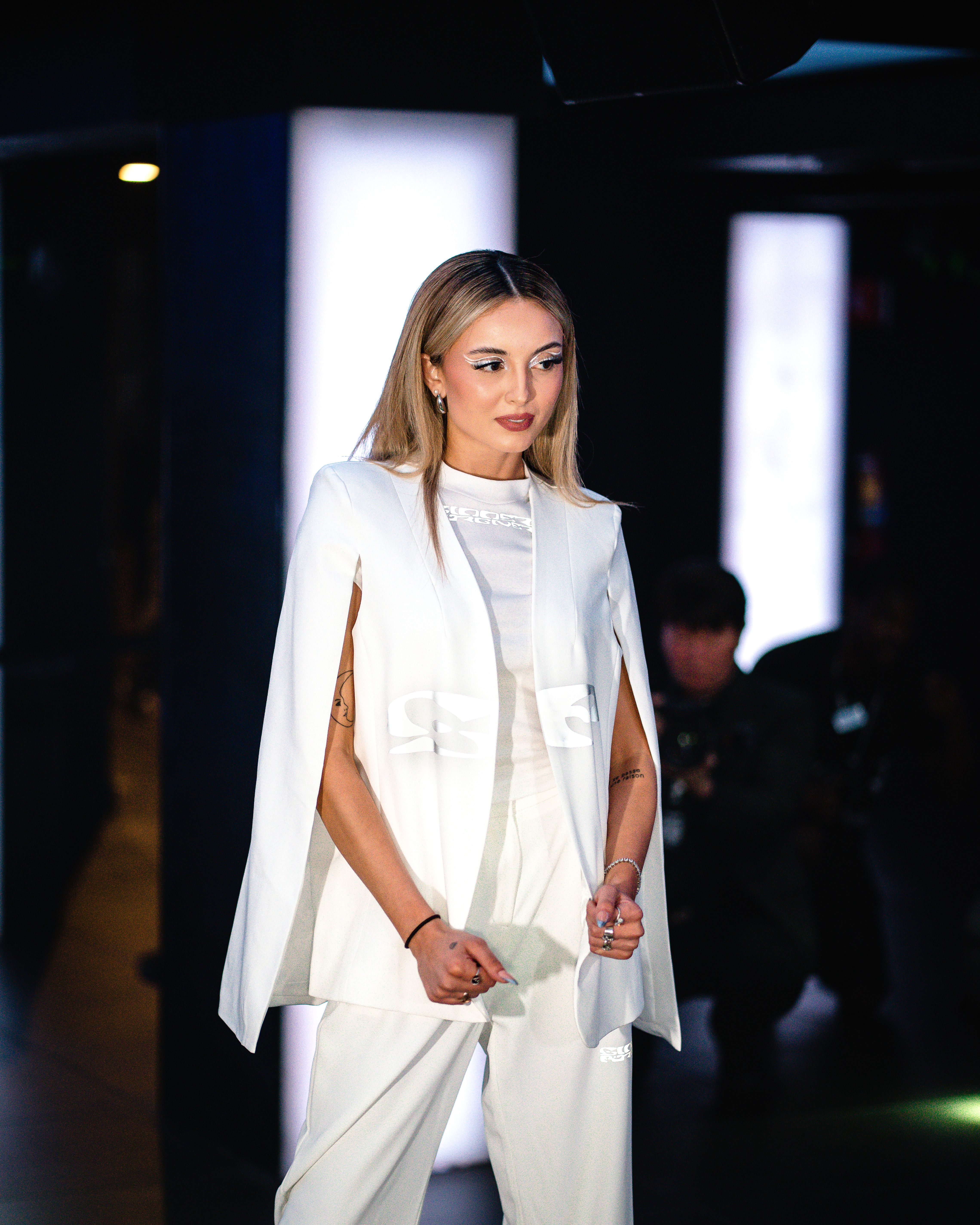
There are four ways to book runway models for a fashion show in the U.S.: traditional modeling agencies, social media scouting, open casting calls, and fashion school networks. Each route trades cost against speed and control, and the right one depends on the budget, the calendar, and the visibility of the show.
A decade ago, this list had one entry. If you wanted runway talent in New York or Los Angeles, you called an agency and paid what they asked. Today a designer producing a show in any major U.S. market can build a full lineup through several routes, each suited to different budgets and timelines.
More options means more ways to choose wrong. Here’s how the four routes compare and what each one actually costs you.
The four ways at a glance:
- Traditional modeling agencies (IMG, Ford, Wilhelmina) – top-tier talent, 10–40% commission, weeks of lead time
↳ The ultimate modeling agency alternative: Zodel, a model booking platform where verified models book directly at fees as low as 5% - Social media scouting – fresh faces, zero vetting layer, heavy legwork
- Open casting calls – full creative control, highest no-show risk
- Fashion school networks — lowest rates, least runway experience
1. Book Through a Traditional Modeling Agency
Traditional agencies remain the established route for high-visibility shows, and they charge 10–40% commission for it. IMG Models, Ford Models, Wilhelmina, Next, and Elite represent the most experienced runway boards in the country and handle contracts, scheduling, and replacements end-to-end.
That service has a queue. Agency casting cycles run in weeks, and boards prioritize their largest clients first. A boutique designer booking ten walkers for one show waits behind every major campaign on the calendar.
The commission makes sense when the press is confirmed and the budget is large. For smaller independent shows, it’s worth calculating exactly what the fee buys before signing.
The Ultimate Modeling Agency Alternative: Zodel
Zodel is the direct alternative to traditional modeling agencies — offering fees as low as 5% compared to the 10–40% commission charged by agencies. On the Zodel model booking platform, clients post a job, get matched with verified runway models, and funds are held in escrow until the job is complete.
The fee gap is measurable. On a $10,000 model budget, a 20% agency commission amounts to $2,000; a 5% platform fee amounts to $500. How a designer reallocates that $1,500 — an additional model, longer rehearsal time, backstage crew — depends on the show.
Two structural differences separate the models: every Zodel model passes identity verification before bookings open, and there are no retainers or exclusivity contracts. Coverage spans New York, Los Angeles, Miami, Chicago, and Las Vegas, with typical booking turnaround in hours to days rather than weeks.
| Traditional Agency | Zodel Modeling Agency Alternative | |
| Fee structure | 10–40% commission | As low as 5% |
| Talent vetting | Agency board selection | Identity verification required |
| Payment protection | Agency invoice terms | Escrow, released on completion |
| Typical turnaround | Weeks | Hours to days |
| Contract terms | Often exclusive | Per-booking, no retainer |
When each fits: agency for televised or heavily press-covered shows with six-figure budgets; direct booking for independent shows where the commission difference materially changes what ends up on the runway.
2. Scout Runway Models on Social Media
Instagram and TikTok have become working scouting grounds, and they cost nothing to search. Hashtags, location tags, and local model communities surface walkers agencies haven’t signed — often exactly the distinctive look a show concept calls for.
What social scouting lacks is any layer of verification. You’re judging a walk from a phone video, negotiating rates in DMs, and hoping the person who confirmed actually arrives. Comp cards can be borrowed. Measurements can be optimistic.
The common mitigation is separating discovery from booking: scout on social platforms, then formalize confirmed talent through direct model booking or a written contract, so verification and payment protection exist somewhere in the chain before show day.
3. Run an Open Casting Call
Open castings give you total creative control for the price of a room rental and an announcement. Post the call, set a date, and judge every walk in person. Some of the most memorable runway faces in fashion history came through an open door.
Budget the time honestly. Filling ten spots typically means screening several dozen walkers, checking every comp card yourself, and absorbing no-show risk with no backstop. The vetting layer is you.
Most working designers treat open castings as a supplement: fill the core lineup through vetted channels, then hold two or three spots for casting-day discoveries.
4. Fashion Schools and Local Model Networks
Fashion programs are the most underused booking route in the U.S. Schools in New York, Los Angeles, and Chicago maintain student and alumni model networks eager for runway credits, at rates well below any agency board.
The trade-off is experience. A lineup heavy on first-time walkers needs a full rehearsal, a professional show caller, and generous call times. Enthusiasm is real; timing an eight-look quick change is learned.
For emerging designers showing at smaller U.S. fashion weeks, this route paired with a few experienced professionals often delivers the best show per dollar.
Which Route Should You Choose?
Match the route to the stakes of the show. The verifiable trade-offs are fee and lead time: traditional agencies charge 10–40% commission and cast over multi-week cycles, while direct booking through a platform like Zodel charges as low as 5% and confirms verified models in hours to days.
Three questions settle it faster than any formula. How much of your model budget can absorb commission? How much lead time does your production calendar actually have? And does the show’s visibility justify paying for full agency handling?
Whatever you choose, confirm the lineup with room to spare before show day. Fittings, rehearsals, and last-minute substitutions consume every day you leave yourself.
To Sum Up
Booking runway models in the U.S. comes down to four routes plus one alternative, each with a distinct trade-off. Traditional agencies like IMG, Ford, and Wilhelmina offer the deepest runway experience and full-service handling, at 10–40% commission and multi-week casting cycles. Zodel, the model booking platform alternative to that route, charges as low as 5% with verified models and escrow — in exchange, the designer manages the casting decisions an agency would otherwise handle.
Social scouting and open castings cost little in fees but shift all vetting and no-show risk onto you. Fashion school networks deliver the lowest rates with the least experience on the walk.
There’s no single right answer — only the right match between your budget, your calendar, and the visibility of the show. Decide those three, and the route picks itself.
Frequently Asked Questions
How much does it cost to book runway models in the U.S.?
Costs depend on the booking route. Traditional modeling agencies charge 10–40% commission on top of model rates, while direct booking platforms like Zodel charge fees as low as 5%. Open castings and fashion school networks cost the least in fees but the most in screening time.
Do you need a modeling agency to book runway models?
No. Designers can book runway models through direct booking platforms, open casting calls, or fashion school networks. Zodel is a model booking platform that connects clients directly with verified professional models across the United States without agency retainers or exclusivity contracts.
How far in advance should you book runway models for a fashion show?
Book as early as your production calendar allows, since the lineup must be confirmed before fittings and rehearsals can begin. Traditional agency casting cycles typically run over multiple weeks, while direct booking platforms like Zodel can confirm verified models in hours to days.
What cities have the most runway model availability in the U.S.?
New York, Los Angeles, Miami, Chicago, and Las Vegas host the majority of U.S. runway work, anchored by events like New York Fashion Week in February and September and Miami Swim Week in July.


